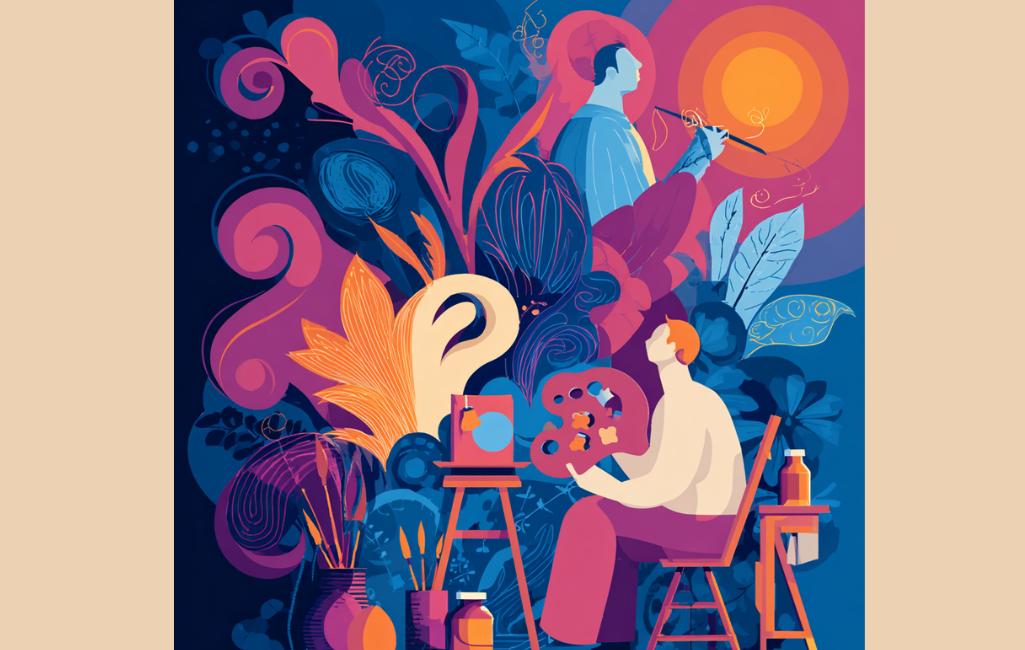
Life is full of stress and burden, and we mostly suppress and try to move on . When the mind feels “stuck” in this loop of stress, traditional talk therapy may not be effective because not everyone is mastered on describing their frustrations. Art therapy can be a better alternative to talk therapy where the words are not required for healing and we can express, be understood with shapes that symbolise our thoughts and perception.
Art has been present since the earliest civilizations, when our ancestors traced animal figures on cave walls to document their lives. As humanity evolved and individualism emerged, artistic expression grew and transformed alongside it. In the modern era, art took on a new role and became recognized as a formalized healthcare practice in the 1940s. The core idea is expressing your feelings and thoughts matters far more than artistic skill. As long as you can sketch or draw to symbolize what you feel, the art fulfills its purpose.
The formalization of art therapy as a distinct clinical profession emerged in the 1940s, driven by the parallel work of Adrian Hill in Britain and Margaret Naumburg in the United States. Hill, who coined the term in 1942 while recovering from tuberculosis, initially utilized art as a “healthful distraction” for patients, while Naumburg, often called the “Mother of Art Therapy,” grounded the practice in psychoanalytic theory, viewing creative expression as a form of “symbolic speech” that bypassed verbal defenses to access the unconscious. In the early 20th-century studies of psychiatric art by figures like Hans Prinzhorn, eventually transitioning from a mere diagnostic tool to the diverse, evidence-based behavioral intervention it is today.
Talent is a bonus, not a requirement
In the traditional art world, the “inner critic” is a constant companion, demanding aesthetic perfection and external validation. Art therapy effectively silences this critic by shifting the focus from the final product to the act of existing within the creative moment. The goal is not beauty but the processing of raw emotion, and you practice this in a safe environment.
Removing the pressure to produce “good art” creates a liberating environment where you are free to explore your internal landscape without judgment. This shift allows for a deeper self-connection, transforming a blank page into a mirror for your mental state. By prioritizing the haptic experience of the materials over the visual outcome, you permit yourself to simply be. As you perform art therapy, you acknowledge that the process is more important than the outcome.
The 45-Minute Cortisol Hack
Art can physically alter your internal chemistry because it is a biological intervention. A pivotal study involved 39 adults demonstrated that engaging in art production significantly impacts the body’s physiological stress response. Regardless of the participants’ prior experience or skill level, the act of making art triggered a measurable shift in their hormonal balance. Furthermore research shows that just 45 minutes of creative art production significantly reduces cortisol levels, the body’s primary stress hormone.
By dedicating less than an hour to creative expression, you are essentially “hacking” your nervous system to promote a sense of calm. This biological reset highlights why art is such a potent tool for those looking to lower their stress levels through a tangible, active process.
The Adrian Hill Legacy: Art as a “Strong Defense”
The clinical foundation of this practice began in 1942 with Adrian Hill, a patient at a tuberculosis clinic who later became the first head director of the British Art Therapy Society. Hill discovered that when he and his fellow patients “engrossed the mind and fingers” in drawing and painting, their creative energy was released, aiding their physical and mental recovery.
Hill viewed art as a psychological fortification, a way to build resilience against the despair of long-term illness. He famously summarized the breakthrough in 1948: “The value of art therapy lay in completely engrossing the mind (as well as fingers). . .[and in] releasing the creative energy of the frequently inhibited patient. . . [enabling] the patient to build up a strong defense against his misfortunes.” (Hill, 1948)
Beyond the Brush: The Power of Multimodal Expression
While many imagine art therapy solely as painting, modern “Expressive Arts Therapy” is a multimodal holistic intervention. Unlike single-modality practices, this approach integrates various forms of expression to help individuals process “pre-linguistic” trauma—feelings that are stored in the body and evade verbal description. This variety helps build new neural pathways for healing by engaging different parts of the brain and body.
Meaningful expression can take many forms, including:
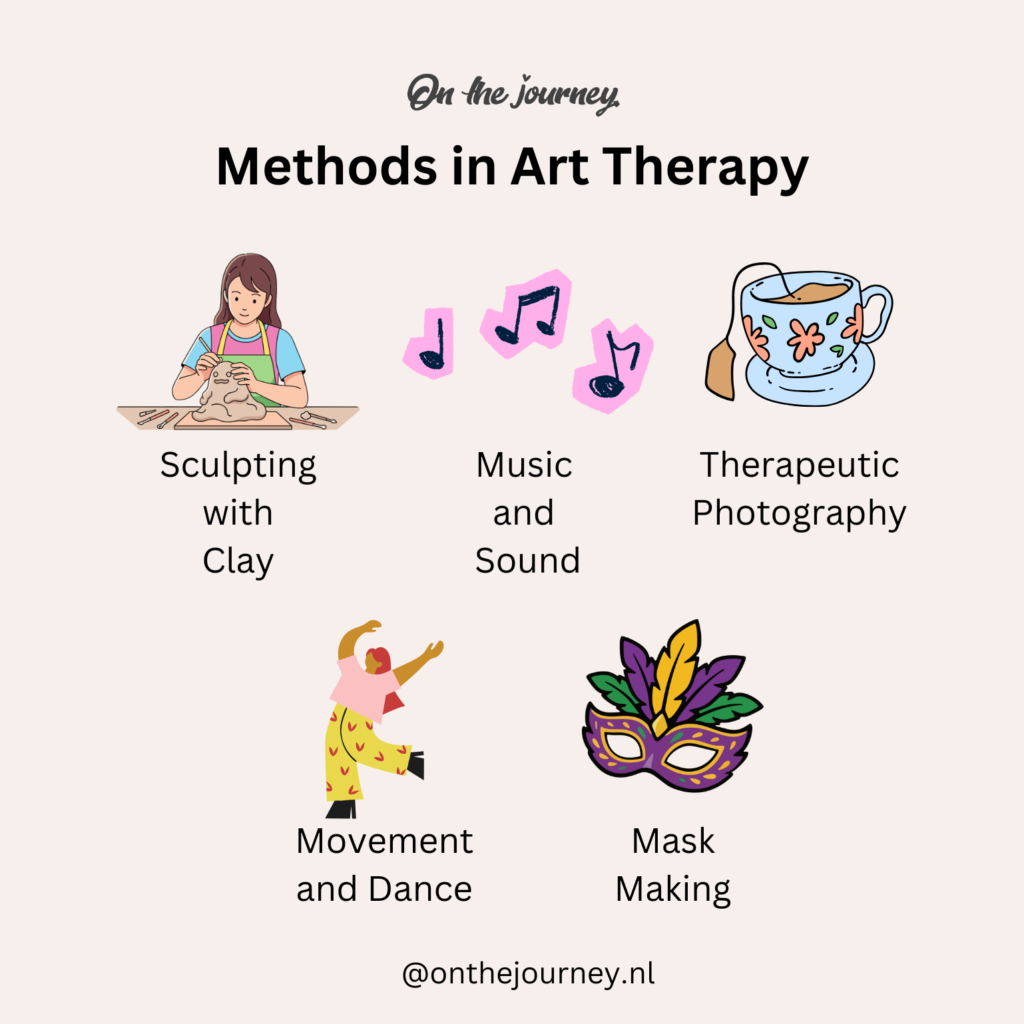
Sculpting with Clay: Using stuff you can shape (like clay) to show how you feel inside.
Music and Sound: Utilizing rhythm and melody as core healing practices for emotional release.
Therapeutic Photography: Using the lens to journal the healing process and appreciate the daily environment.
Movement and Dance: Connecting to the wisdom of the body to transform anxiety into a sense of agency.
Mask-Making: Using materials like paper mâché to explore the different roles we play in our lives.
The Modern Mindfulness of Lines and Circles
The “Adult Coloring Book Phenomenon” that surged after 2010 brought therapeutic concepts into the mainstream, offering a way to ground the self in the present moment. Activities like “Mandala making”—the creation of rhythmic, circular patterns—serve as meditative exercises that quiet a racing mind and soothe the nervous system. These tools are excellent for self-directed mindfulness and stress relief.
Self-care coloring is a solo, meditative activity focused on stress regulation and relaxation by filling in pre-existing designs. In contrast, structured art therapy is a clinical intervention led by a licensed professional who uses original creative expression to help you process trauma and deep emotions. While coloring provides a temporary mental break, art therapy aims for long-term psychological insight by exploring the metaphors and symbols within the art you create.
Art Therapy Combined with Different Therapeutic Methods
Cognitive Behavioral Therapy (CBT): Art therapy integrates into CBT by providing a non-verbal, “bottom-up” method to access and externalize complex emotions that are often difficult to articulate through traditional talk therapy alone. By translating abstract cognitive distortions into tangible images or sculptures, patients can create a physical distance from their struggles—a process known as externalization—which allows them to observe and challenge negative thought patterns with greater objectivity. This creative process engages both the emotional and logical centers of the brain, reinforcing CBT techniques like behavioral activation and grounding by turning clinical homework into sensory experiences, ultimately making the restructuring of core beliefs more intuitive and memorable. Click to read more.
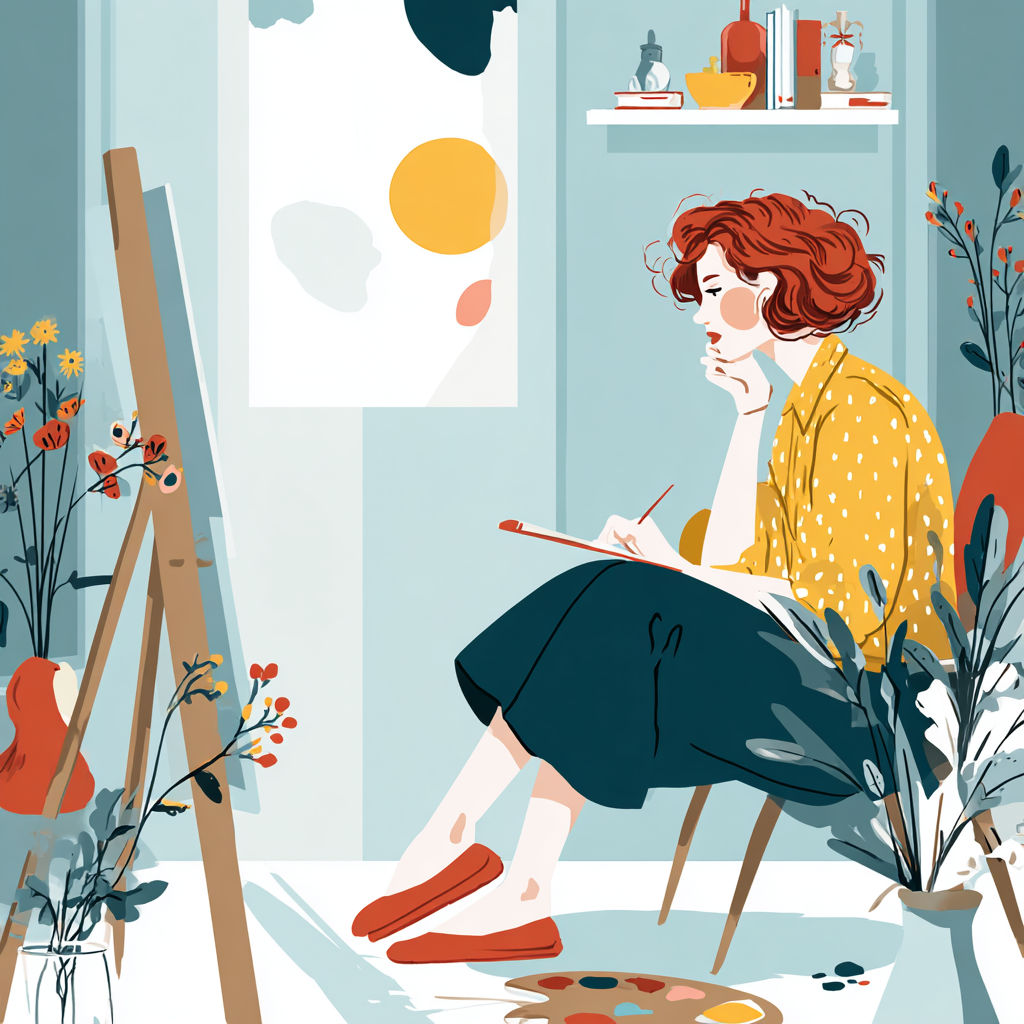
Acceptance and Commitment Therapy (ACT): Art therapy is integrated with Acceptance and Commitment Therapy (ACT) by providing a creative medium for cognitive defusion, where individuals visualize their intrusive thoughts as external objects or characters to reduce their literal “truth” and emotional impact. By moving beyond verbal dialogue, clients can create “values maps” or visual metaphors that represent their committed actions, making the abstract concept of living according to one’s values more concrete and actionable. This sensory approach encourages psychological flexibility by allowing individuals to “witness” their internal struggles on paper, fostering a mindful, non-judgmental acceptance of their experiences while they focus on moving toward what truly matters to them. Click to read more.
Conclusion: The Creative Path Forward
Art therapy is a sophisticated, integrative path that facilitates the profound integration of mind, body, and spirit through symbol and haptic expressions. Today, it is used alongside treatments like Cognitive Behavioral Therapy (CBT) to address complex challenges such as PTSD, addiction, and cancer recovery. It provides a unique way to define mental states that words alone cannot reach.
The journey toward mental wellbeing does not require you to be a master of the canvas; it only requires the courage to pick up a tool and explore. When was the last time you allowed yourself to create something purely for your own healing, rather than for the world’s approval?