
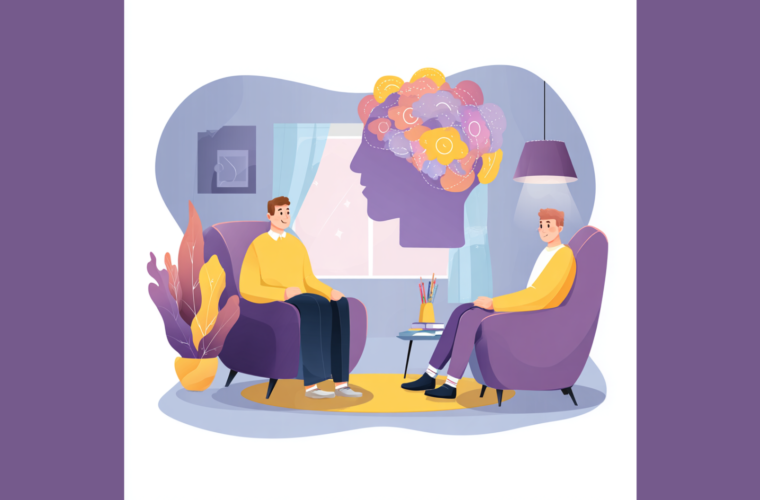
For decades, the focus has been primarily on what is wrong, but is this approach truly healthy? While trauma must be addressed, excessive rumination on negative events can poison the mind and trigger a downward spiral. Modern approaches have recognized this, developing methodologies that pivot toward the positive. Positive Psychotherapy (PPT), for instance, prioritizes well-being by helping individuals leverage their strengths rather than dwelling on their problems. It emphasizes character strengths and the pursuit of personal meaning.
Although it might give the impression that PPT is about positives, distressing experiences are tackled with genuine regard.
Application and effectivity of PPT?
Research demonstrates that Positive Psychotherapy (PPT) is effective across a broad spectrum of conditions, particularly for fostering emotional growth and self-development. It is highly beneficial for addressing low self-esteem, chronic stress, burnout, and the clarification of personal values. A collaborative therapeutic alliance is essential for progress within this framework. Furthermore, evidence supports the efficacy of PPT in treating depression, borderline personality disorder, PTSD, and addiction. However, for severe psychiatric conditions, an integrative approach combining multiple therapeutic modalities is recommended for maximum effectiveness.
Structure of Positive Psychotherapy
Tayyab Rashid and Martin Seligman describes a clear structure in their workbook, Positive Psychotherapy.

Introduction and Gratitude Journal: Clients are introduced to positive psychotherapy and a gratitude journal. The therapist will explain how a gratitude journal is effective in boosting happiness.
Character and signature strengths: In this session, character strengths are introduced and, through practice, shown how they can contribute to personal growth.
Practical Wisdom: In this session, it will teach the client to apply their signature strengths to solve problems. It will teach you how to apply practical wisdom to resolve conflicts.
Better version: In this session, the client will develop specific, measurable and achievable goals.
Processing memories: In this session, positive and negative memories are recalled, and negative ones are processed in a healthy way.
Forgiveness: In this session, the client learns about forgiveness. They are asked to write a forgiveness letter but do not deliver it.
Maximizing vs Satisfying: The client learns about maximizing and satisfying. In other words, they will draft a plan listing the best possible and good enough choices.
Gratitude: In this session, the client recalls people who did something positive to them and never thanked about this. Click to learn more about practicing gratitude.
Hope and optimism: In this session, the client sees the best possible outcomes and learn to develop a sense of hope.
Post-traumatic growth: In this session, the client explores deep feelings and thoughts about traumatic experiences that still influence them.
Slowness and savoring: The client is guided to slow down, discussed with the therapist a technique is developed to fit personality and life circumstances.
Positive relationship: The client recognizes the strengths of loved ones. The strengths are plotted on paper and ways of enriching relationships are discussed.
Positive communication: The clients are encouraged to respond into news that predict relationship satisfaction.
Altruism: Doing something meaningful that shows your signature strengths. Meaning and purpose: The client is discussed what is meaningful for them.

Can self-help methods be effective to apply PPT?
In today’s Information Age, mental health resources are more accessible than ever. Research indicates that many clients gravitate toward alternative self-help methods due to their cost-effectiveness, flexibility, and ease of access. While Positive Psychotherapy (PPT) can be beneficial in a self-guided format, its impact is most profound when facilitated by a trained professional. To achieve the best clinical outcomes, the ideal approach is to work with a mental health practitioner specifically qualified in PPT techniques.
Gratitude, forgiveness and empathy can be practiced standalone, however reframing thoughts might need further guidance because an external perception might be necessary to provide awareness. It’s Complicated is a great platform to find a professional help that is aligned with your budget.
A typical positive psychotherapy session?
The session starts with relaxation practice and gratitude journal, then core concepts are discussed. Then previous session will be reviewed and in-session practice comes.
Typical questions that are addressed in a positive psychotherapy session are;
- Name recent experiences that you particularly felt positive or successful?
- What activities or experiences makes you feel joy and sense of fulfillment?
- How can you set new, achievable goals that are aligned with your interest?
- How can you apply strengths to overcome or manage challenges?
- What positive challenges have you noticed in yourself since starting the therapy?
- What are three things in your life that gives you joy and happiness?
As a conclusion;
Positive psychotherapy is a recent movement that is developed to balance the negativity of the content and help people to be aware of their strengths and focus more on the positivities instead of the negativities. The present article provides an overview of positive psychology which is focused on exploring positive experiences, setting actionable goals, building resilience, maintaining optimism, exploring positive experiences and recognizing strengths.



[…] Editorial note: On the Journey is a mental health publication authored by Begum Uyumaz, practitioner on the therapy platform It’s Complicated. The original article can be read here. […]
Thank you, I have recently been searching for information about this subject for a while and yours is the best I have discovered so far. But, what concerning the bottom line? Are you certain concerning the supply?
Thank you for your incredible faith in our work. Your encouragement is irreplaceable.
I抦 impressed, I have to say. Actually rarely do I encounter a blog that抯 both educative and entertaining, and let me inform you, you might have hit the nail on the head. Your thought is excellent; the problem is something that not enough persons are talking intelligently about. I am very completely happy that I stumbled across this in my seek for one thing referring to this.
Good post. I study something tougher on totally different blogs everyday. It’ll always be stimulating to learn content material from other writers and observe slightly one thing from their store. I’d favor to make use of some with the content material on my blog whether you don’t mind. Natually I’ll provide you with a hyperlink on your web blog. Thanks for sharing.
Very interesting info !Perfect just what I was looking for!
[…] Knowing Self Boundaries Positive Psychotherapy […]