

Breathing is one of the fundamental functions that supports life. It is essential for maintaining blood circulation, delivering oxygen to body cells, and removing carbon dioxide. There is an extended research with shows that breathing has a significant impact on how our body operates, as it is influenced by both physical and psychological factors. This article describes the science of breathing, possible methods and benefits of breathing exercises. Breathing can also be combined with meditation, see the articles below for more information.
The vagus nerve, the tenth cranial nerve, is a major component of the parasympathetic nervous system. Extending from the neck to the abdomen, it plays a central role in regulating the body’s rest-and-digest functions. These include controlling heart rate and blood pressure, maintaining breathing rhythms, supporting digestion and gut motility, and modulating inflammation within the immune system.
Breathing has a direct relationship with mental health because you can influence your autonomic nervous system by controlling your breath. Paying attention to your breathing can shift your mental state. However, before exploring this further, it is important to understand how the body perceives and responds to stress.

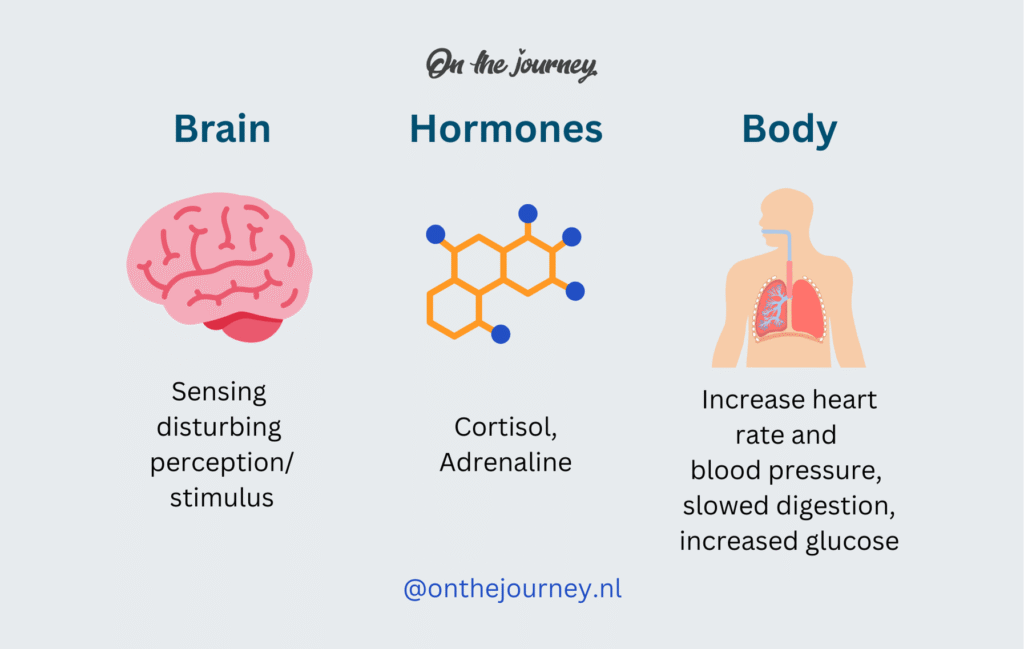
Stress is a natural response to any demand or challenge that may arise from physical, emotional, or environmental factors. When a trigger, situation, or event is perceived as threatening, demanding, or exceeding one’s coping abilities, a stress reaction occurs.
The sympathetic nervous system is activated during stress, resulting in fight, flight, or freeze responses. The hypothalamus, pituitary gland, and adrenal glands work together to release hormones that prepare the body for quick action. Cortisol and adrenaline are two of the primary hormones associated with stress reactions.
Stress can appear in various forms, depending on its duration and how a situation is perceived. Distress refers to overwhelming stress, such as chronic work pressure, the loss of a loved one, or other traumatic experiences. Acute stress occurs when a stressful experience is short-term, while chronic stress results from an ongoing situation, such as caring for an ill family member or experiencing long-term financial strain. Stress can also arise from positive events, such as preparing for an exam or competition; in these cases, it is called eustress.
Physiological Links between breathing and mental health
Controlled breathing can alter the body’s physiological responses in various ways. It helps restore the balance of carbon dioxide and improves oxygen delivery to tissues. Furthermore, breathing exercises directly affect the heart, as slow and steady breathing improves heart rate variability. Slow and rhythmic breathing also increases alpha and theta brain waves, which strengthens the prefrontal cortex and supports improved focus.
Several muscle groups are involved in breathing, including the diaphragm, abdominal muscles, intercostal muscles, and the muscles of the neck and shoulders. This means that controlled breathing contributes to reducing physical pain by decreasing tension in the neck and by aligning and relaxing skeletal muscles. Here is an article about breathing and mental health.
Techniques for controlled breathing
Adjusting breathing depth, rhythm, and pace is called controlled breathing. In this practice, you breathe purposefully rather than automatically. By doing so, you become more aware of your breath. You intentionally change the speed (slow and steady), depth (using the diaphragm), and length (chest expansion) of your breathing.
There are various techniques developed for controlled breathing that help boost bodily functions and calm the mind. Some common breathing techniques are described below, and here is an article with more detailed information on the topic.
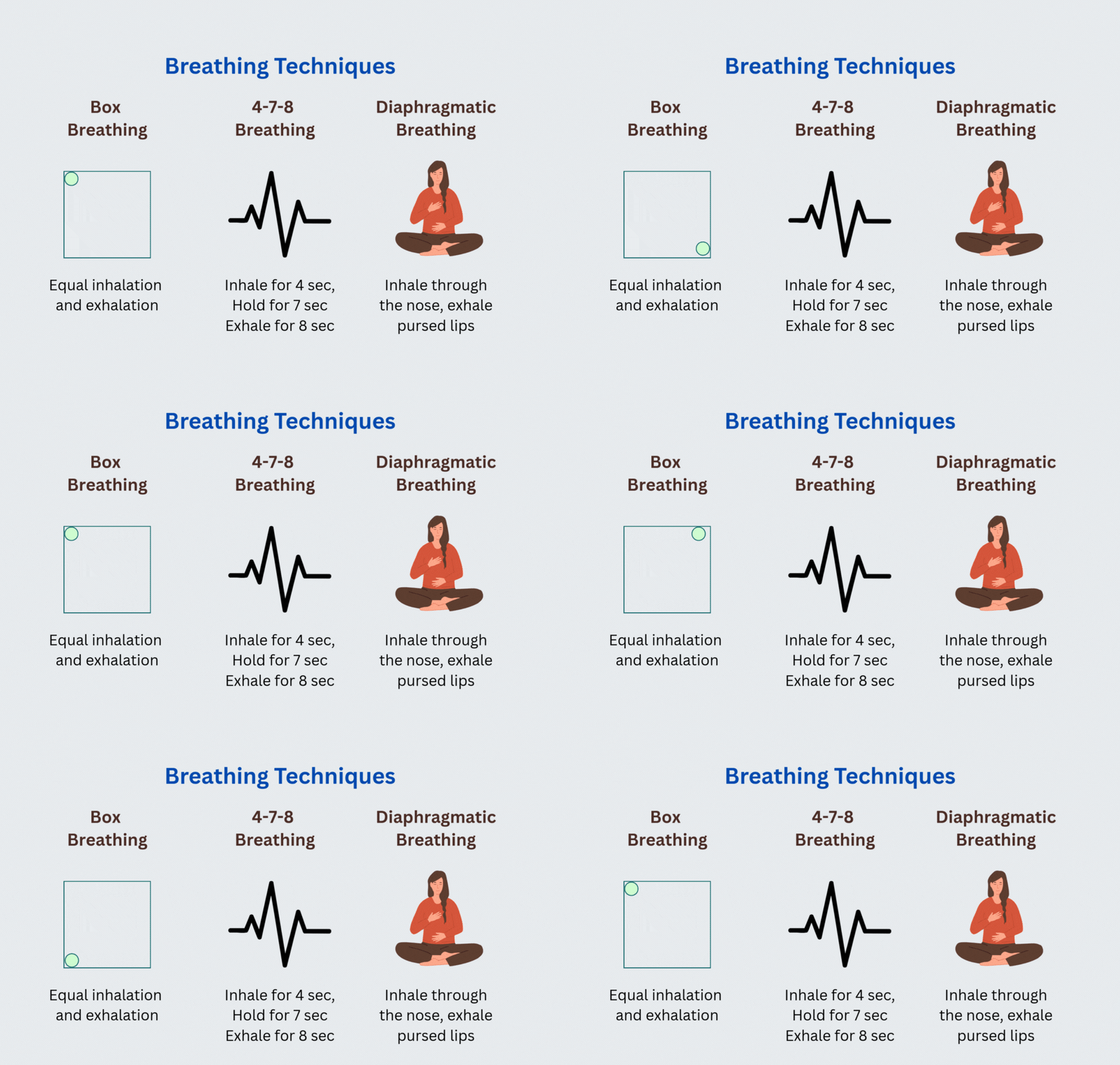
Diaphragmatic breathing: Lie on your back, place one hand to upper chest and another to rib cage. Inhale through the nose while feeling your stomach, and slowly exhale using pursed lips. Here is a guided video illustration about diaphragmatic breathing.
Box breathing: Also called square breathing, this technique involves a four-part breathing cycle. Sit or lie down with your back straight but relaxed. Repeat the cycle until you feel more relaxed and centered.
Inhale (count to four) – Slow and deep through your nose
Hold (count to four)
Exhale (count to four) – Slowly throughout the mouth
Hold (count to four)
Tips and advice for applying the breathing exercises:
Regularly matters: Try to apply the breathing exercises regularly. Remember, consistency matters more than the length. You can set a timer in your phone or make it part of your morning or bedroom routine.
Pay Attention to Your Belly Movement: Belly movement is essential, especially in diaphragmatic breathing. Place one hand on your belly to feel its rise and fall—this helps you understand and control the depth of your breath.
Benefits of Controlled Breathing to Emotional and Mental States
Controlled breathing lowers stress hormones by activating the parasympathetic nervous system and reducing cortisol levels. Regular practice can help decrease overall stress and ease feelings of overwhelm. It also improves oxygen exchange in the lungs, boosting energy, enhancing brain function, and supporting physical performance. Additionally, controlled breathing benefits sleep—helping you fall asleep faster and enjoy deeper, more restful sleep.
Additional Benefits of Deep Breathing
Controlled breathing lowers stress hormones. It activates the parasympathetic nervous system and reduces cortisol levels. Practicing controlled breathing regularly can lower overall stress and ease feelings of overwhelm. Furthermore, as you breathe, oxygen exchange in the lungs becomes more efficient, resulting in increased energy, improved brain function, and enhanced physical performance. Controlled breathing also benefits sleep quality, promoting faster sleep onset and deeper, more restful sleep.
Lower blood pressure is associated with calm breathing, which regulates the nervous system and shifts the body out of “fight or flight” mode. It also positively affects the digestive system—breathing can reduce bloating and gastrointestinal stress. Additionally, deep breathing supports immune function, improving resilience against illness. Controlled breathing techniques can also help alleviate headaches, chronic pain, and muscle tension.
Breathing exercises also benefit mental functions. They help regulate emotions and improve mental clarity, as well as support concentration, memory, and decision-making. These techniques are incorporated into standardized behavioral interventions like CBT to help manage emotional reactions. Regular practice promotes emotional stability and resilience.
Conclusion
Controlled breathing is far more than a simple relaxation tool—it is a direct pathway to influencing the body’s physiological and psychological balance. By understanding how stress affects the nervous system and how breathing interacts with the vagus nerve, it becomes clear that intentional breathwork can shift the body from a state of tension to one of restoration. Whether through diaphragmatic breathing, box breathing, or the 4-7-8 method, these techniques strengthen the connection between body and mind, helping to manage stress responses, improve emotional regulation, and support overall well-being. With regular practice and mindful attention, controlled breathing becomes a powerful and accessible strategy for enhancing mental clarity, physical health, and resilience in daily life.